Somewhere around the third bank heist in Paul Thomas Anderson's sprawling One Battle After Another, I found myself wondering who was doing the French 75's accounting. The current market prices explosives at expensive rates. The facilities do not function as safe houses or getaway vehicles or as the costs for purchasing large amounts of groceries which would be needed to support an entire compound of armed activists. The movie fails to reveal this information because the filmmakers either intentionally avoided showing it or because this detail would only concern viewers who studied resource management for three years.
It bothers me. But maybe that's the point.
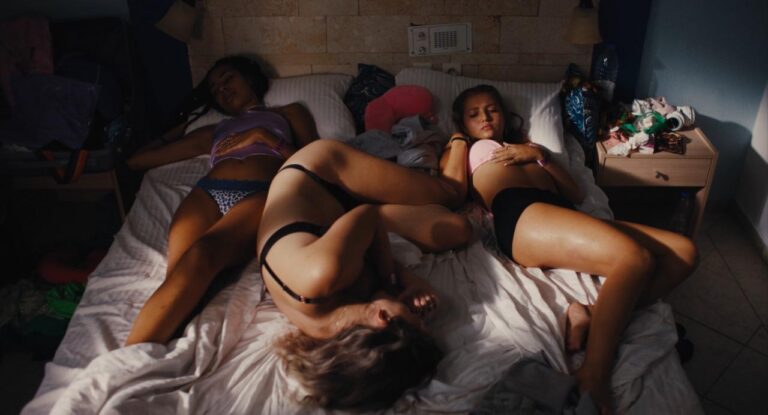
The movie by Anderson follows a story which originates from Thomas Pynchon's Vineland but it exists in two different time periods. The first sequence presents a revolutionary display which shows Teyana Taylor as Perfidia Beverly Hills and her partner Bob (Leonardo DiCaprio) freeing detention facilities while they conduct bank attacks and view armed battles as political activism that combines with sexual passion. "The song Perfidia declares "Pussy ain't for fun" while she holds an automatic weapon. "This is the fun. The guns is the fucking fun."The second era takes place sixteen years after the first when Bob lives in Baktan Cross as a permanent stoner who fathers Willa (Chase Infiniti) while he works to stay hidden from Colonel Lockjaw (Sean Penn) who seeks them because of both his individual motives and official duties.
The economic content of the film exists during this time span which separates these two historical periods. The economic content of the film exists during this time span which separates these two historical periods. The French 75 functioned as a new business during its first period because it had endless financial resources. Young people who fight for a just cause do not need to worry about their burn rate. The subsequent resistance which Benicio del Toro's sensei character led through his "little Latino Harriet Tubman situation" presented itself in a distinct manner. Community embedded. Sustainable. Any operation needs its support systems to survive instead of depending on charismatic leaders and available ammunition.
DiCaprio delivers an interesting performance by depicting Bob as someone who lost his revolutionary value together with his ability to think clearly. His unsteady paranoid behavior brings to mind Jeff Bridges' screen presence because he seems to have emerged from the counterculture movement like any other economic system would produce. And Bob is not winning. The father struggles to perform his regular duties as a parent while facing the new life-threatening situation that Lockjaw creates.
Taylor electrifies the first act. Absolutely commands it. But Anderson writes Perfidia as a collection of provocations rather than a person, which is frustrating because Taylor clearly has the range to do more. Penn displays a complete villainous cartoonish behavior through his teeth grinding and his sinew muscles twitching. The show exists between two artistic approaches which use military male stereotypes to create social criticism and to present a theatrical dining experience. I'm still not sure which.
The movie shows advanced classroom relationships which some audience members might view as becoming clearer but others could interpret as becoming increasingly difficult to understand. The protection of immigrants in sanctuary cities along with community resistance and the unobtrusive assistance networks of regular citizens who aid Bob in his escape through their subtle non-verbal signals and reserved communication. Anderson seems to be arguing that revolution without community is just expensive performance art. The actual process of resistance demands people to work together through time-consuming activities which include building trust relationships and providing mutual support instead of creating explosives.
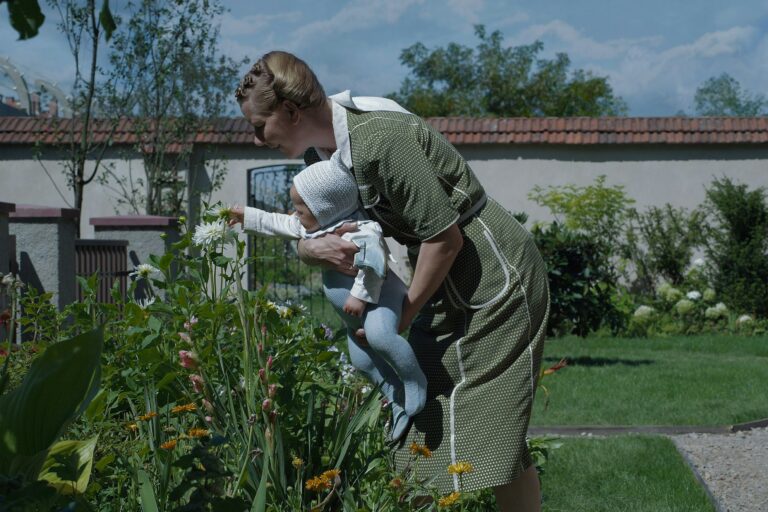
The entire progression advances through Jonny Greenwood's percussive score which keeps an anxious tempo of movement. Michael Bauman uses his cinematography to show both the sun-damaged fatigue of Baktan Cross and the disorganized revolutionary scenes from the past. The production design tells its own story about who has resources and who doesn't, though I may be the only person in the cinema tracking the relative quality of furniture in different characters' homes.
And yet. The political satire in the film along with its examination of military border control and detention facilities appears as visual elements rather than thorough investigations. Anderson aims to create a connection with our present day without revealing any particular details about our current time. Which is a choice, I suppose. Not one I entirely respect.
The film contains sufficient content which allows viewers to engage in discussions about its themes while experiencing discomfort from its uncomfortable elements. The film makes me want to watch it again because I need to understand my true opinions about it. The story concludes with optimism which does not result from any previous achievement. The nature of hope remains unclear because it seems to exist without any basis for its existence while remaining dependent on circumstances.