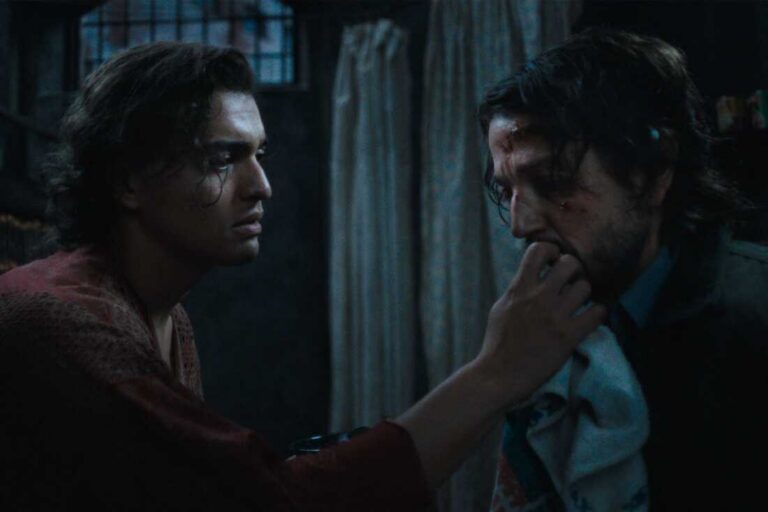
The History of Sound shows David and Lionel recording music in their neighbor's home kitchen while their recording equipment transforms into a medical setup which they use to record songs from people who risk losing their homes. The entire scene extends across three minutes of duration. It haunts the rest of the film. Or it should.
Oliver Hermanus created a genuine work of beauty through his stone sculpture which I continue to ponder about its consumability. The film follows two music students, Lionel and David, who meet in a Boston bar in 1917, fall into bed and eventually into love, then spend a season tramping through rural Maine collecting folk songs on wax cylinders. They're doing preservation work. Cultural fieldwork. The film shows how these characters participate in an ancient business practice which city-educated men use to take profits from communities that will never benefit from these transactions.
Paul Mescal plays Lionel as someone who has already learned to make himself smaller, to take up less space. He moved to Kentucky where he spent his childhood on a farm before securing a scholarship which allowed him to enter the conservatory program. Josh O'Connor portrays David as a charming character who hails from Newport with orphan wealth which he uses to evade questions about his previous life.
The couple maintains their relationship through their uneven method of interacting with each other. Lionel follows. David leads. Who determines their travel destinations and what content they should capture and at what time they need to depart?
The film explores this question through its depiction of Malaga Island where former enslaved people and Irish immigrants face an upcoming forced removal from their homes. The two men David and Lionel arrive with their equipment before they feel awkward and then they decide to depart. That's it. The cylinders which they bring along contain recordings from a community that will soon disperse but the movie shows their leaving as an uncomfortable situation instead of a significant event which deserves extended viewing time. "Do you worry at all, what we're doing?"David asks at one point, and the line could refer to their love or their collecting or both. Lionel says no, he doesn't worry. The film seems to agree.
Actually, wait. I'm being unfair. Or partly unfair. The town of Hermanus does not observe extraction because its residents never think to analyze the methods used in this practice. The rural communities get filmed like Andrew Wyeth paintings, all ochre and mist and weathered hands, and the effect is gorgeous but also a little too comfortable.
Who gets to look, and who gets looked at?The folk songs themselves tell stories of jealousy, grief, murder, passion that burns things down. The film containing them stays measured, controlled, its emotions packed neatly into wax.
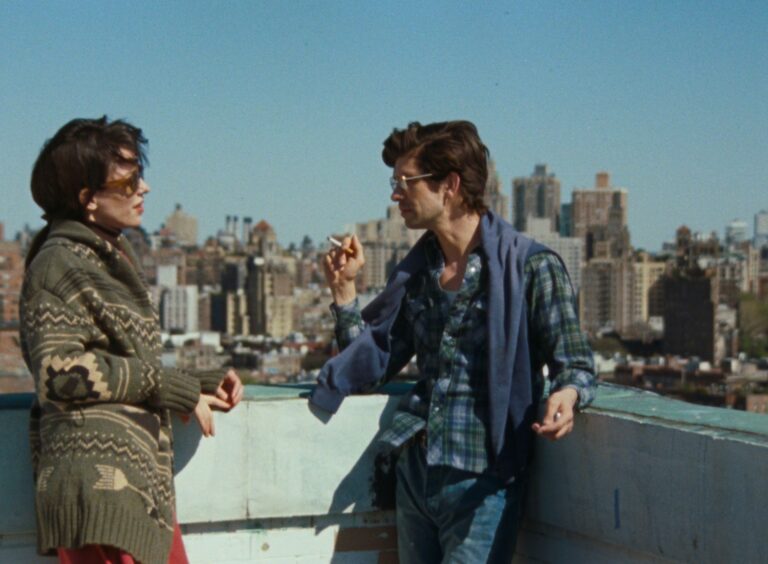
The actual economic developments which occur in the market represent the less noticeable economic narrative. Lionel began his existence in impoverished Kentucky before he relocated to Boston's affluent society which brought him European success and allowed him to preserve his romantic bond. He gets out. He keeps getting out. The war has left David with an unescapable damage which his wealth cannot help him avoid. The film's most impactful performance emerges from Hadley Robinson who portrays Belle as David's wife through her purposeful silence which reveals all her emotions. The camera displays her position in a kitchen where cigarette smoke drifts through the air to demonstrate the actual worth of her marriage which exceeds all verbal descriptions.
I wanted to love this. I wanted it to be braver. The film maintains its value because it presents excellent performances and shows how music affects human bodies during singing moments and ends with a powerful scene where buried cylinders from the past reveal the voices of deceased people. The island remained in my thoughts as I considered all the stolen items and who possessed the power to determine how the story would be presented.
Some love songs also function as stolen property.